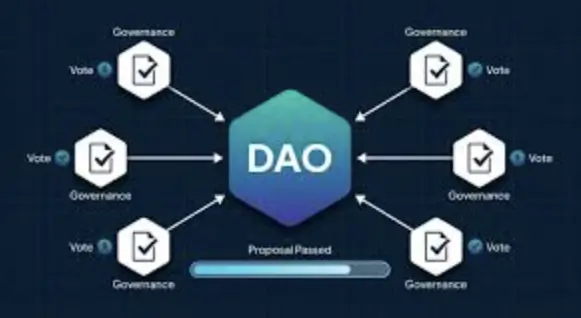
Voting power in DAOs shapes influence over proposals, resource allocation, and strategic direction. It hinges on stake dynamics, contribution signals, and governance safeguards that curb centralization. Comparisons across stake-based, contribution-based, and hybrid models reveal trade-offs between efficiency and inclusivity. Transparent metrics, independent audits, and ritualized decision processes can align incentives with performance. The balance of fairness and resilience remains unsettled, prompting further examination of how power should be distributed to sustain collective action.
Understand Voting Power in DAOS and Why It Matters
Voting power in DAOs is the mechanism by which influence over proposals is allocated and exercised, shaping governance outcomes.
The analysis emphasizes stake dynamics as the core input, while veto risk remains a structural constraint.
Contribution weighting translates participation into weight, enhancing governance visibility and accountability.
This framing clarifies how decision influence correlates with stakeholder incentives and organizational resilience.
Compare Voting-Power Models: Stake-Based, Contribution-Based, and Hybrids
What are the comparative implications of stake-based, contribution-based, and hybrid voting-power models for DAO governance? The stake based approach concentrates influence with capital, potentially stabilizing long-term commitment but risking plutocratic bias.
Contribution based weighs verifiable effort, promoting inclusivity yet inviting ambiguity in valuation.
Hybrids compare balances, aiming to align incentives with participation while dampening skewed power concentrations.
Safeguards and Criteria: Fairness, Efficiency, and How to Evaluate Trade-Offs
Safeguards and criteria for DAO governance must balance fairness, efficiency, and evaluative clarity to prevent governance capture and insure productive deliberation.
The framework emphasizes stake fairness in weighing votes and opportunities, while governance efficiency constrains excessive complexity.
Trade-offs are evaluated through criteria such as timeliness, resilience, and inclusivity, ensuring decisions reflect legitimate stakeholder interests without dampening innovation.
See also: foulonturf
Build a Transparent System: Metrics, Audits, and Governance Rituals
Transparency is essential to DAO governance, integrating measurable performance indicators, independent audits, and ritualized decision-making processes to ensure accountability and trust across stakeholders. The system promotes transparent metrics, disciplined governance rituals, and rigorous audit standards, aligning voting transparency with verifiable data, independent review, and ongoing performance signals. Assessments reveal how governance rituals normalize accountability while transparent metrics deter concealed influence and encourage informed participation.
Conclusion
In the DAO’s cathedral, voting power stands as a column weighing both stone and light. Stake-based influence is a heavy arch; contribution-based inputs glow like lanterns, guiding carpenters through dusk. Hybrids assemble these beams into a vault, where audits serve as quiet guardians and rituals as stabilizing keystones. Transparency inscribes the blueprint, while safeguards temper excess. Ultimately, governance thrives when incentives, like tethered ships, align with performance, enabling inclusive, timely decisions without surrendering prudence to plutocracy.
